Renting an apartment in Charlottenburg: Your Ultimate Guide

So, you're thinking about renting a flat in Charlottenburg? Excellent choice. Typing "mieten wohnung berlin charlottenburg" into a search bar is the first step into one of Berlin's most beautiful and sought-after districts. But let's be honest, navigating the rental market here can feel a bit daunting.
This guide is here to change that. Think of it as having a local expert by your side, ready to walk you through the entire process—from figuring out which Kiez (neighbourhood) is right for you to finally getting those keys in your hand. We'll demystify the whole thing, making it a straightforward, even enjoyable, experience.
Your Essential First Look at Renting in Charlottenburg
Finding a place in Charlottenburg isn't just about securing four walls and a roof; it's about finding your spot in a unique slice of West Berlin life. It’s where grand, old-world Altbau buildings line leafy avenues, just a stone's throw from the glamour of the Kurfürstendamm. One minute you're window shopping, the next you're enjoying a quiet coffee on a peaceful side street.
Of course, all this charm means you’ll have some competition. The market is fast-paced and, yes, a bit pricey. But don't let that put you off. Being prepared, knowing what to expect, and moving decisively is the name of the game.
What This Guide Will Cover
We’ve broken down everything you need to know into easy-to-digest pieces. By the end, you'll feel like a pro. Here's what we'll get into:
Discovering Charlottenburg's Kieze: We'll explore the different micro-neighbourhoods so you can find the one that truly feels like home.
Mastering the Search: I'll show you the best places to look for listings, both online and off the beaten path.
Building Your Application: A simple checklist of every document you'll need to impress landlords.
Navigating Viewings and Contracts: Insider tips for making a lasting impression and understanding the fine print in your lease.
Avoiding Common Pitfalls: Crucial advice, especially if you're an international navigating the German rental system for the first time.
Understanding the Local Market
Before you dive in, let's get a quick lay of the land. Here's a snapshot of what to expect from Charlottenburg's rental scene.
Charlottenburg Rental Market Snapshot
Metric
Details
Neighbourhood Vibe
Elegant, established, and upscale. A mix of quiet residential streets and bustling commercial areas like Ku'damm. Very popular with professionals and families.
Property Types
Dominated by classic Altbau (pre-war) buildings with high ceilings and parquet floors. You'll also find some modern developments and post-war buildings.
Average 'Cold' Rent
Around €18.43 per square metre, but can vary significantly based on the exact location, building condition (Altbau vs. Neubau), and specific amenities.
Competition Level
High. Properties, especially well-priced ones in good condition, receive dozens of applications. You need to be fast and have your documents ready to go.
Key Demographics
A diverse mix of long-term Berliners, international professionals, diplomats, and families who appreciate the area's excellent schools, safety, and infrastructure.
As you can see, Charlottenburg's desirability definitely influences its rental prices. The costs are consistently above the city average because you're not just paying for an apartment; you're paying for a lifestyle. You're paying for the incredible transport links, the top-tier schools, the culture, and that unmistakable classic Berlin character.
Knowing this upfront helps you set a realistic budget and a smart search strategy. For a peek at what's currently on the market or in development, you can always explore current real estate projects in Berlin. Our mission is to give you the confidence and the know-how to find your perfect home in this amazing part of the city.
Finding Your Perfect Corner of Charlottenburg
When you first start searching for a "mieten wohnung berlin charlottenburg," it's tempting to see the district as one big, posh area. But once you're on the ground, you realise it's actually a patchwork of smaller, distinct neighbourhoods—what we locals call a Kiez. Each one has its own vibe, its own pace, and its own personality. Nailing down the right Kiez is just as crucial as finding the perfect flat.
Think of it like picking a great pair of shoes. Some are flashy and built for a big night out, while others are all about comfort and perfect for a long Sunday walk. The trick is to find the corner of Charlottenburg that fits you, which makes your apartment hunt way more focused and a lot less overwhelming from the get-go.
The Buzz of City West and Kurfürstendamm
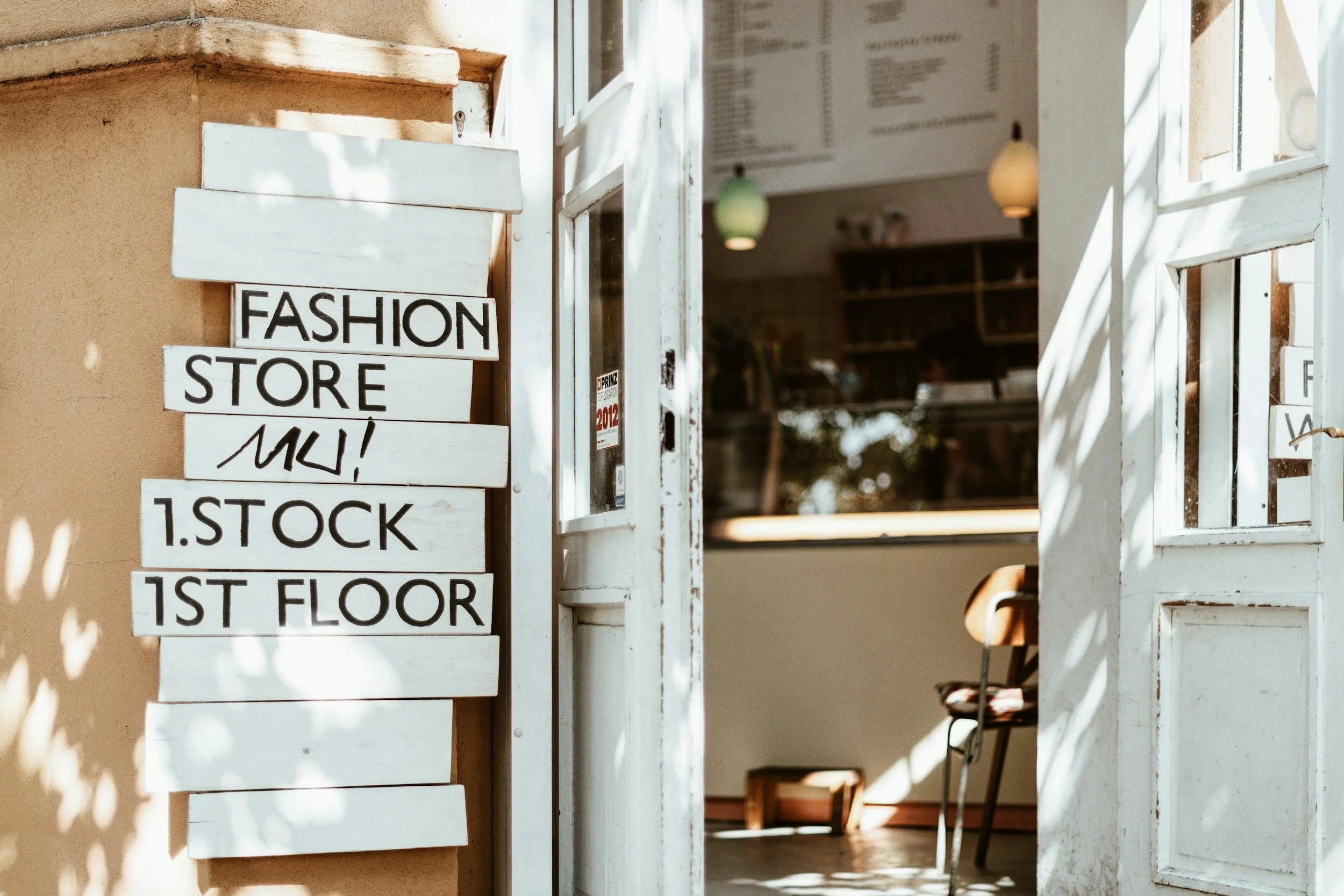
Right in the heart of it all is the famous Kurfürstendamm, or Ku'damm as everyone calls it. This is Charlottenburg’s high-energy, glamorous core. The streets are a who's who of high-end fashion, flagship stores, theatres, and grand old hotels. Living here means having the very best of West Berlin's shopping and entertainment quite literally on your doorstep.
The apartments match the scene: stunning, classic Altbau residences in immaculately kept buildings that hark back to the area's prestigious past. Life here is fast, sophisticated, and incredibly well-connected, with major U-Bahn and S-Bahn lines crisscrossing at Zoologischer Garten. This is the spot for professionals who feed off the city's pulse and want everything within arm's reach.
The Cultured Vibe of Savignyplatz
Take a short stroll from the Ku'damm's hustle, and the whole atmosphere changes around Savignyplatz. This area is the intellectual and bohemian soul of Charlottenburg. The square itself, and the streets fanning out from it, are packed with independent bookshops, art galleries, antique stores, and a fantastic collection of cafés and restaurants with lovely terraces perfect for people-watching.
It's a place for lingering over a coffee with a good book or enjoying a quiet dinner with friends. The flats here are just as sought-after, often boasting beautiful period details. It's an ideal neighbourhood for academics, creatives, or anyone who loves a more cultured, laid-back urban lifestyle without giving up a central location.
Real estate in this part of Berlin commands a premium for a reason. You're not just paying for the four walls; you're investing in an established, high-quality lifestyle that comes with the address. This is clear in both the rental and purchase prices.
The cost to buy property here also tells the story of the district's premium status, especially when you compare it to other parts of Berlin. For 2025, the average purchase price for a flat in Charlottenburg-Wilmersdorf is sitting at around EUR 5,886 per square metre. While central districts like Mitte can average closer to EUR 7,102/m², Charlottenburg remains one of the priciest western neighbourhoods thanks to its historic charm, excellent infrastructure, and family-friendly reputation.
The Green Escape Around Lietzensee
If you're craving some peace and quiet without actually leaving the city, the areas around Lietzensee are a perfect sanctuary. This Kiez feels a world away from Charlottenburg's commercial hubs. The streets here are quieter, leafier, and have a distinctly residential feel.
The beautiful Lietzensee park, with its serene lake and ancient trees, basically becomes your back garden. It's a haven for joggers, families, and anyone who just needs a dose of nature. You'll find a mix of elegant Altbau buildings and well-kept post-war constructions, many with lovely green inner courtyards. It's a top choice for families and anyone looking for a calm retreat that still has great U-Bahn connections. That blend of serenity and convenience is what makes this part of Charlottenburg truly special. To see what's on the market right now, you can always browse some current properties for rent in Berlin and get a feel for what might suit your lifestyle.
How to Master Your Apartment Search Strategy
Let’s be honest: finding a flat in Berlin is a competitive sport, and Charlottenburg is the premier league. To have a real shot, you need more than just luck—you need a smart, focused strategy. Mindlessly scrolling through listings won't cut it when hundreds of other people are drooling over the same beautiful Altbau flat. Your mission is to be faster, sharper, and more prepared than everyone else.
Think of it like fishing in a very popular, very well-stocked pond. Almost everyone is using the same basic rod and reel—the big online portals. I'm going to show you how to use the best bait and where to find a few secret fishing spots that others completely miss. This shifts the whole game from a frustrating slog into a targeted mission.
Optimising Your Digital Search
For nearly everyone, the apartment hunt kicks off online. Getting the hang of these platforms is essential if you want to mieten wohnung berlin Charlottenburg. Your first move? Set up laser-focused search alerts.
ImmoScout24 and ImmoWelt: These two are the giants of the German property market. Your first step is to create a full profile, uploading all your key documents ahead of time. Then, set up incredibly specific alerts for Charlottenburg—nail down your ideal size, price, and number of rooms. Most importantly, enable push notifications on your phone. You want to be the very first to know when a new flat goes live.
WG-Gesucht: Don't let the name fool you. While it’s famous for flatshares (WGs), it's also a goldmine for entire apartments. These are often listed directly by the current tenants who are searching for a successor (Nachmieter), which can mean the competition is a little less frantic.
Speed is everything here. Landlords can get swamped with over 100 messages in the first hour. If you're not firing off your message within minutes of a listing appearing, you're already at the back of the queue.
This flow chart gives you a visual on how to focus your search based on the kind of lifestyle you're after in Charlottenburg.
As you can see, zeroing in on a specific
Kiez
that truly fits your vibe—whether that’s the high-end boutiques on Ku'damm or the peaceful parks around Lietzensee—makes your search so much more effective.
Crafting the Perfect Introductory Message
That first message you send is your digital handshake. A lazy "I'm interested" is a one-way ticket to the trash folder. Your message has to be polite, to the point, and, ideally, written in German.
Pro Tip: Draft a killer template in German that you can quickly tweak for each flat. Introduce yourself, mention your job and net household income, and say a quick word about why you like that specific apartment. It shows you're serious and that you respect the landlord's time.
Here's a simple, winning formula:
Polite Greeting: Sehr geehrte/r Herr/Frau [Landlord's Last Name].
Express Interest: Name the specific flat (e.g., "die Wohnung in der Kantstraße").
Quick Intro: Your name, age, what you do for a living, and who'd be moving in with you.
Financial Stability: A brief mention of your job status and net income reassures them.
Polite Closing: Say you'd be delighted to arrange a viewing (Besichtigungstermin).
Exploring Alternative Search Channels
Don't put all your eggs in the online portal basket. Seriously, some of the best flats are found through other channels, so it pays to branch out.
Facebook Groups: Look up groups like "Wohnung in Berlin" or "Berlin Apartments." You'll need to keep a sharp eye out for scams, but plenty of genuine offers are posted here every day.
Networking: This is the most powerful and underrated tool in your arsenal. Tell everyone—and I mean everyone—that you're looking. Colleagues, friends, the person you chat with at your local bakery. A personal referral is pure gold in this market.
Work with an Agent: Teaming up with a real estate agent, or Makler, can unlock access to properties before they ever hit the public market. Here at The Property Connection, we often have a hand-picked selection of apartments ready to go; have a look through our exclusive rental listings in Berlin to see what's on offer right now.
By blending a lightning-fast digital game with these savvy alternative tactics, you massively boost your odds of getting a viewing and, eventually, that signed lease. Stay persistent, be prepared, and you'll find your perfect spot in Charlottenburg.
Getting Your Paperwork in Order: The Winning Application Folder
When you're trying to mieten wohnung berlin charlottenburg, speed and preparation are everything. This isn't just an advantage; it's the absolute minimum to even be in the running. Landlords often pick a tenant within hours of a viewing, so the person who can instantly produce a perfect set of documents—what we call a Bewerbungsmappe—is the one who gets the keys.
Think of your application folder as your rental CV. It has to be polished, professional, and ready to go at a moment's notice. Having everything printed out and also saved as digital PDFs shows you’re serious, organised, and reliable. Trust me, it immediately puts you leagues ahead of the disorganised competition.
The Core Documents Every Landlord Demands
Your Bewerbungsmappe is what gets your foot in the door. German landlords value proof of financial stability above all else, so let's break down the non-negotiables you need before you even step into your first viewing.
Mieterselbstauskunft (Tenant Self-Disclosure Form): This is just a standard form asking for your personal details, job, net income, and a declaration that you don't have any rental debts. Most agencies have their own, but it’s a great idea to have a generic one filled out just in case.
Einkommensnachweise (Proof of Income): This is the big one. The landlord needs to know you can actually afford the place. The gold standard is your last three payslips (Gehaltsabrechnungen). As a general rule, the basic rent (Kaltmiete) shouldn't be more than a third of your net household income.
SCHUFA-BonitätsCheck (Credit Report): This is Germany's official credit check. It gives the landlord a quick look at your financial health and confirms you're not drowning in debt. It’s an absolute must-have. You can order it online directly from SCHUFA, and you shouldn't even think about applying without one.
Having these three key documents ready to go shows you know how the game is played and that you’re a low-risk bet.
Other Essential Papers for Your Application
Beyond the big three, a truly complete folder includes a few more items to paint a full picture of you as the ideal tenant.
Kopie des Personalausweises (Copy of ID): A clear copy of your passport or national ID card (front and back) is standard for verifying who you are. Simple but necessary.
Mietschuldenfreiheitsbescheinigung (Proof of No Rental Debts): This is a letter from your last landlord confirming you always paid your rent on time. It's basically a five-star review from a previous landlord, and it’s incredibly powerful.
A strong application folder isn't just a pile of documents. It's a story that tells the landlord, "I am responsible, financially stable, and I will treat your property like my own."
What if You're New to Germany?
So, you've just landed in Berlin and have no SCHUFA record or German rental history? Don't panic. This is a super common hurdle, and it's definitely not a deal-breaker if you handle it right.
Instead of a SCHUFA, you need to offer solid alternatives. The most important one is your employment contract. Make sure it clearly shows your job title, salary, and that you're past the probation period (Probezeit). It also helps to provide bank statements showing you have a healthy cushion of savings. A glowing reference letter from your employer can work wonders, too. The key is to be upfront about your situation and proactive with these substitute documents—it shows you’re resourceful and can often win a landlord over.
Getting Through the Viewing and Making Sense of the Contract
You’ve pounded the digital pavement, sent out what feels like a million messages, and then it happens: an invitation to a viewing hits your inbox. This is where the real work begins. Whether you find yourself in a crowded group viewing (Massenbesichtigung) or you've landed a prized one-on-one slot, your mission is simple: be memorable, for all the right reasons.
Think of it less as a simple tour and more as a two-way interview. Sure, you're checking out the flat, but the landlord or agent is also checking you out. Show up on time, be friendly, and have that perfectly organised application folder (Bewerbungsmappe) ready to go.
Nailing the First Impression at a Viewing
In a place like Charlottenburg, where competition is stiff, the way you come across can make or break your chances. Landlords aren't just looking for someone who can pay the rent; they want a responsible tenant who will treat the property with respect.
It’s often the little things. Dress presentably—think smart-casual. Ask questions, show genuine interest, and be polite. It all signals that you’re serious about the flat and would be a reliable person to have in the building.
A landlord might get dozens, sometimes even hundreds, of applications for a single flat. They’re not just crunching numbers on income statements; they're choosing a person. A positive attitude and good preparation can easily bump you to the top of their list.
What You Should Be Asking
A viewing is your only real chance to dig for the details that never make it into the online listing. Asking smart questions doesn’t just help you avoid headaches later; it shows the agent you know what you’re doing.
Here are a few must-ask questions:
What about the Nebenkosten?: You need to know exactly what’s included in the utility prepayments. Is internet covered? Electricity? This helps you budget your true monthly costs.
What are the Hausordnung (House Rules)?: Are there strict quiet hours? Any rules about using the courtyard or storing a bike? Better to know now.
Any Future Renovations Planned?: This is a big one. Planned construction could mean months of noise or even future rent hikes.
Is the Kitchen (Einbauküche) Included?: This catches a lot of people out. Clarify if the fitted kitchen belongs to the flat or if you have to buy it from the previous tenant for a fee (Ablöse).
Getting answers to these questions paints a much clearer picture of what it would actually be like to live there. Plus, it makes you look like a pro.
Cracking the Code of Your German Rental Contract
You did it! They’ve offered you the flat. The final hurdle is the rental contract, or Mietvertrag. German rental agreements are no joke—they're thorough, legally binding documents, so you absolutely need to understand what you're signing. Don't ever feel rushed; ask for a copy in advance so you can review it without pressure.
When you're ready to mieten wohnung berlin charlottenburg, you'll see a few key financial terms pop up again and again.
Kaltmiete (Cold Rent): This is just the base rent for the space itself, with nothing else included.
Warmmiete (Warm Rent): This is the one to focus on for your budget. It's the Kaltmiete plus the monthly pre-payment for utilities like heating and water (Nebenkosten).
Kaution (Security Deposit): Your security deposit. By law, it can't be more than three months' Kaltmiete. You'll get it back when you move out, assuming you haven't caused any damage.
These terms are the financial foundation of your tenancy. The difference in rent across Berlin really puts Charlottenburg's premium status into perspective. For instance, a two-bedroom flat in a cool, edgy area like Neukölln might go for between €1,500 and €2,000 cold rent. A similar-sized townhouse in Charlottenburg, on the other hand, can easily command €3,500 to €5,000 or more, depending on its features. As you can see on resources like Investropa.com, this massive difference reflects the district's appeal to established professionals and families.
By going into viewings prepared and knowing what to look for in your contract, you can navigate the process with confidence and land that perfect Charlottenburg apartment without falling into any of the common traps.
Got Questions About Renting in Charlottenburg? We’ve Got Answers.
Jumping into the search for a flat in Charlottenburg brings up a ton of questions. It's totally normal, especially given how unique Berlin's rental scene can be. Getting straight answers is the best way to feel confident and move forward.
Think of this as your go-to FAQ. We’ve pulled together the most common things people ask us, designed to clear up any confusion and get you ready for what’s ahead.
What’s a Realistic Budget for a One-Bedroom Flat?
This is the big one, right? For a one-bedroom apartment in Charlottenburg, you should plan on a budget between €1,200 and €1,800 per month for the Warmmiete. That’s the "warm rent," which includes your base rent plus basic utilities like heating and water.
Keep in mind, prices swing quite a bit depending on where you are in the district. You'll find flats closer to the lively Kurfürstendamm or Savignyplatz leaning towards the higher end of that scale. On the other hand, if you look in the quieter, more residential spots further west, you might find something a bit more affordable. Always, always double-check if a price is listed as Kaltmiete (cold rent) or Warmmiete so you know exactly what your monthly costs will be.
Understanding the difference between 'Kaltmiete' and 'Warmmiete' is probably the single most important budgeting tip in Berlin. Getting it wrong can mean a nasty surprise of a few hundred euros a month, so make sure you clarify before you sign anything.
How Can I Get a SCHUFA Record If I’ve Just Moved to Germany?
Ah, the classic newcomer's dilemma. You can't get a traditional SCHUFA credit report without a German address and bank account, but landlords want one to prove you're reliable. It feels like a catch-22.
The good news is that landlords are used to this. You just need to show them other solid proof of your financial stability. Instead of a SCHUFA, get these documents ready:
A strong employment contract that clearly shows your salary.
Recent bank statements (from your home country are fine) showing you have a healthy savings buffer.
A letter from your employer confirming your job and income.
Coming to a viewing prepared with these alternatives shows you're organised, proactive, and a safe bet.
Is It Better to Rent a Furnished or Unfurnished Apartment?
This really boils down to how long you plan on staying. Unfurnished apartments (unmöbliert) are the standard here for anyone looking to rent long-term. They're much cheaper over the years, but you have to be prepared to buy all your own furniture and, quite often, an entire kitchen (yes, really!).
Furnished places (möbliert) are a lifesaver for shorter stays or if you're brand new to the city and just want a place that's ready to go. The trade-off is that they are much more expensive and usually come with fixed-term contracts. If you see yourself in Berlin for more than a year, an unfurnished apartment is almost always the smarter financial move.
Finding your way through Berlin’s rental market can be a real headache, but you don't have to tackle it alone. The Property Connection offers expert, bilingual support to help you find and lock down your perfect home in Charlottenburg. Get in touch and see how we can make your move a success.